Diabetology focuses on the early diagnosis, personalized treatment, and long-term management of diabetes and related metabolic conditions. Modern diabetes care combines regular blood glucose monitoring, individualized medication plans, nutrition guidance, physical activity, and lifestyle changes to support better health outcomes. With advances such as continuous glucose monitoring and more personalized treatment approaches, consulting an experienced diabetologist in Chennai can help patients manage blood sugar effectively, reduce the risk of complications, and receive timely screening for heart, kidney, nerve, eye, and foot-related concerns.

Diabetology is a specialized medical field focused on the comprehensive and ongoing management of diabetes. It involves identifying the type of diabetes, assessing individual risk factors, maintaining healthy blood glucose levels, and reducing the chances of long-term complications. Diabetes specialists work closely with patients to develop personalized care plans that may include medication, insulin therapy, nutritional advice, physical activity, weight management, and regular health monitoring.
The goal of modern diabetes care is not simply to control blood sugar but to support overall health and long-term well-being. Consistent management can help reduce the risk of complications such as nerve damage, kidney disease, cardiovascular problems, vision changes, and slow-healing wounds. Regular monitoring and timely treatment also help patients maintain better control and make informed lifestyle choices.
Type 1 Diabetes
Type 2 Diabetes
Gestational Diabetes
Prediabetes
Diabetic Ketoacidosis
Type 1 diabetes is an autoimmune condition in which the immune system mistakenly attacks the insulin-producing beta cells in the pancreas. As insulin production becomes very low or stops completely, people with Type 1 diabetes require lifelong insulin therapy to regulate blood glucose levels and maintain overall health.
Although Type 1 diabetes is commonly diagnosed during childhood or adolescence, it can develop at any age. Early diagnosis and appropriate medical care can help individuals manage the condition effectively. With regular blood glucose monitoring, personalized insulin treatment, balanced nutrition, physical activity, diabetes technology when appropriate, and routine medical follow-ups, people with Type 1 diabetes can achieve better glucose control and lead active, healthy, and fulfilling lives.
Type 2 diabetes develops gradually and is strongly linked to insulin resistance. It is influenced by genetics, weight, diet, physical activity, stress, sleep, and aging. It is the most common form of diabetes.
The good news is that early diagnosis and consistent treatment can significantly slow disease progression and reduce the risk of complications. Consulting an experienced diabetologist in Kodambakkam helps patients receive personalized, structured care rather than focusing only on temporary blood sugar control, leading to better long-term diabetes management.
Gestational diabetes develops during pregnancy when hormonal changes reduce the body’s ability to use insulin effectively. Although blood sugar levels often return to normal after childbirth, women who develop gestational diabetes have a higher future risk of Type 2 diabetes.
Early diagnosis and proper management help protect both the mother and the baby. Consulting an experienced diabetologist in Mayiladuthurai ensures comprehensive diabetes care during pregnancy, with close coordination between the diabetologist and gynecologist to maintain safe blood sugar levels throughout the pregnancy.
Prediabetes is an early warning stage where blood sugar levels are higher than normal but not high enough to be diagnosed as diabetes. Without timely action, many people with prediabetes may develop Type 2 diabetes.
The good news is that prediabetes can often be reversed or effectively managed through consistent lifestyle changes, early screening, and proper medical guidance. Consulting an experienced diabetologist in Mogappair can help identify risk factors early and create a personalized plan to prevent the progression to Type 2 diabetes.
Diabetic Ketoacidosis, or DKA, is a serious medical emergency that occurs when the body does not have enough insulin and starts breaking down fat rapidly for energy. This produces ketones, which can build up in the blood and become dangerous.
DKA is more common in Type 1 diabetes but can also occur in some patients with Type 2 diabetes. Symptoms may include excessive thirst, frequent urination, vomiting, stomach pain, deep breathing, confusion, and extreme tiredness. Immediate medical care is essential.
Diabetology is a specialized field within medicine that concentrates on the comprehensive understanding, diagnosis, and management of diabetes mellitus and its associated complications. It encompasses a multidisciplinary approach, integrating knowledge from endocrinology, metabolism, nutrition, and other medical disciplines to provide holistic care to individuals with diabetes. For effective management of diabetes in Chennai, specialized diabetologists and advanced care facilities are available to cater to diverse patient needs.
Type 1 diabetes is characterized by an autoimmune response in which the body’s immune system mistakenly attacks and destroys insulin-producing beta cells in the pancreas. Consequently, individuals with type 1 diabetes require exogenous insulin to survive. On the other hand, type 2 diabetes typically develops due to a combination of genetic predisposition and lifestyle factors, leading to insulin resistance and eventual pancreatic beta cell dysfunction. Unlike type 1, type 2 diabetes can often be managed through lifestyle modifications, oral medications, and sometimes insulin therapy. For advanced care and management, seeking treatment at a famous diabetic hospital in Chennai ensures access to top-notch expertise and facilities.
The hallmark symptoms of diabetes include increased thirst (polydipsia), frequent urination (polyuria), persistent fatigue, blurred vision, and unexplained weight loss despite increased appetite (polyphagia). However, symptoms can vary depending on the type and severity of diabetes, with some individuals experiencing mild or no symptoms at all, especially in the early stages. Consulting a top diabetologist in Chennai is crucial for accurate diagnosis and timely intervention to manage these symptoms effectively.
While type 1 diabetes cannot currently be prevented due to its autoimmune nature, type 2 diabetes and its precursor, prediabetes, are largely preventable through proactive lifestyle modifications. These include adopting a well-balanced diet rich in fruits, vegetables, whole grains, and lean proteins, engaging in regular physical activity, maintaining a healthy body weight, avoiding tobacco use, and managing stress effectively. Early detection and intervention are key in delaying or preventing the onset of type 2 diabetes and reducing the risk of associated complications.
Regular monitoring of blood sugar levels is crucial in diabetes management as it provides valuable insights into glycemic control and helps individuals make informed decisions regarding diet, exercise, medication, and insulin therapy. By tracking blood glucose fluctuations, individuals can identify patterns, adjust their treatment plans accordingly, and minimize the risk of acute complications such as hypoglycemia (low blood sugar) or hyperglycemia (high blood sugar). Consistent monitoring also facilitates communication between patients and healthcare providers, enabling personalized adjustments to optimize diabetes management and improve long-term outcomes.
Dr. Supraja was very caring and compassionate throughout the treatment. All the staff members, especially the therapists, nurses, and front office team, were extremely caring, attentive, and handled the patient with great professionalism and kindness.
I had a very good experience at Medway Institute of Pulmonology. The doctors were highly professional, caring, and explained everything clearly. The treatment was excellent, and the entire medical team was supportive throughout the process.
The health packages are well designed, reasonably priced, and very helpful for comprehensive check-ups. The hospital is clean, well organized, and the staff are polite and responsive.
Overall, I am very satisfied with the care and service I received. I highly recommend Medway Institute of Pulmonology to anyone looking for quality pulmonary care.
I would like to sincerely thank Dr. Supraja and her entire team for the exceptional care they have given my mother, Meenakshi. Throughout our journey, they guided us with compassion, patience, and professionalism, always taking the time to answer our questions and support our family.
If you or your loved one is suffering from any form of Interstitial Lung Disease (ILD), I highly recommend Dr. Supraja. We consulted several hospitals across Chennai before finding her, and from our experience, no one matched her expertise, dedication, and genuine concern for patients.
Thank you, Dr. Supraja and your wonderful team, for everything you have done for my mother. We are truly grateful.
The dedication shown at the pulmonary rehab center is incredible. The team builds confidence in patients and offers great encouragement alongside effective medical management. Highly recommended for any chronic respiratory issues.”❤️🩹🙏
i had a very good experience at medway institute of pulmonology. my moms health improved a lot , all the staff were very polite and cooperative . Special Thanks to Dr.Krishnaveni and team.
Consulted Dr G Gnananavelu for the first time. Went there for a second opinion to assess if an stent placement is required for a blockage. He neatly explained the situation and suggested to continue medication and said we could avoid another stent. Thank you so much Sir.
A general feedback that needs improvement is the patient wait time is too much and the chairs placed in the waiting area outside Dr’s cabin is not comfortable to sit for a long time. Chairs are placed so closely that we dont have enough space to sit comfortably. Admin can look into this
Dr. Rajesh V, Cardiologist surgery specialist, is very kind and professional. He listened to all my Dad’s worries and explained his treatment in a simple way. Dr. Rajesh V, done hopeful heart valve repair for my dad surgery. Heartfull thanks to Dr. RAJESH V. The medway hospital staff was also very helpful. I feel much better now and highly recommend him!”
Very experienced and professional doctors with clear transparency in every step of the way. The nurses were very polite, friendly and timely attended to the patient for their medications and other necessary daily procedures. Billing was very transparent and hassel free. Overall a trustworthy place for cardiac health care .
We came for review after stunt insertion to my wife. Dr.Venkatesh is a kind person. He takes care of every patient with individual care. He prescribed the medications which is necessary. He avoids unnecessary medicines. 🙏🏽🙏🏽🙏🏽🙏🏽👍🏼
I have visited the Dr. Narendhiran Sir for My Father regarding Heart issues, treatment is completely satisfied and Dr. Narendhiran Sir is too sweet and really a best and classic example of a Doctor. Best ever I have seen in My Life.
Heart By-Pass surgery done for my mother in law, Dr. G. Venkatesh (cardiologist) and Dr . Rajesh (senior surgeon) as per they advise and the overall experience was really great and the doctor takes time to explain things properly and patiently, really a great experience. They both gave a life to my mother in law.Thanks a lot.
Dr G Venkatesh took care of me so well. I personally know him and his sincerity for the past one decade. Wonderful caring soft spoken and humble service oriented person. Thank you very much for your service and support sir.
really good care and best cost better than other private hospitals my wife had a 3 blocks branches also very lean but our dr. RAMANATHAN sir was gave a very good treatment also caring and support thank u so much medway team but one small thing not all staff nurses certainly few nurses dont know how to talk with patients very rudely talk not have humbleness please concern this only otherwise all is good thank you so much
Highly recommend Medway Heart Institute. The medical team and support staff provided exceptional care during our visit. The facilities are clean, and the doctors took the time to explain everything clearly. Very satisfied with the overall treatment and professionalism.
We usually come to Medway for my mom’s regular checkup with Dr Kamalanathan .
He is an exceptional cardiologist and provided compassionate care for my mom. Highly knowledgeable, patient and truly thorough – our family couldn’t be in better hands!
Dear sir,
From the bottom of my heart, thank you for saving my father’s life. During his cardiac arrest, your timely guidance over the phone, constant support, and dedication helped us safely bring him from Kanchipuram to Chennai.
Because of your timely advice and constant support, my father received the care he needed and is now recovering. We truly believe that your presence and guidance made all the difference. You were not just a doctor to us—you were a lifesaver and a source of strength during our darkest hour.
We will always be grateful for your kindness and selfless service. Thank you for being our guardian.
With deepest gratitude and respect from me and my family forever sir..🙏🏽
We are extremely grateful to Dr. M. Vijay kumar and his entire team for the excellent care given to my father. My father had a severe blockage in his heart, and Dr. Vijay kumar successfully performed the angioplasty and placed the heart stent with great skill and care.
Throughout our stay, he explained everything clearly, treated us with patience and kindness, and gave us confidence during a very difficult time. Thanks to his expertise, my father is now recovering well.
We sincerely thank Dr. Vijay kumar and the entire hospital staff for their dedication, professionalism, and compassionate care. We highly recommend Dr. M. Vijay kumar to anyone looking for the best cardiac specialist.
Thank you so much, Sir. We will always be grateful. 🙏❤️
We had an excellent experience with Dr. G. Venkat for my father’s cardiovascular treatment. He is highly experienced, caring, and approachable. He explained my father’s condition and treatment plan clearly, answered all our questions patiently, and ensured we felt reassured throughout the process. His expertise and compassionate care gave us great confidence. We are truly grateful for the excellent treatment and support provided.
We came here for first review to consult Dr.Rajesh sir after Heart Bypass surgery. The service was really good. We were told about the each and every process in detail. We are so happy with the services provided 😀
Overall it was good service. Admitted for CABG Procedure under Dr Ramanathan his treatment was really good…I came for Regular checkup
Dr Kamalanathan sir service is Excellent….I done treatment for past 6 years…….my husband done treatment with kamalanathan sir for heart treatment….best we are satisfied….
Dr Anantharaman sir Service is Excellent….My husband done Angio stent treatment ..Doctor treatment very Good…
Dr G Gnanavelu sir Service is Good…My Father done Angio treatment doctor treatment really good…
This is daughter of patient Sivagami undergone Angioplasty, really very happy by the service of Dr. Gnana Vel, his way of approaching patient and talking with the family members, considering the each and every word from the mouth of patient and attenders politely, making the patients alright within 2 to 3 days. Really Sir work is so appreciable. Thank you so much Sir.
Came for review with Dr G Venkatesan cardiologist.. He is very kind and gentle always been consulting for last 15 years.. thank you so much
அனைவரும் மிக அன்பாகவும் நேர்மையாகவும் நடந்து கொண்டனர் அவர்கள் எங்களுக்கு நல்ல ஒத்துழைப்பு அளித்தனர் மிக்க மகிழ்ச்சி குறிப்பாக செவிலியர்கள் இங்க அன்பாக நடந்து கொண்டனர் இன்சூரன்ஸ் துறையினர் தங்கள் பணியை மிக வேகமாகவும் நேர்மையாகவும் நடத்திக் கொடுத்தனர் இந்த எங்கள் நோயை கண்டறிந்து மிக துல்லியமாக மருத்துவம் பார்த்த மரியாதைக்குரிய பத்மா மேடம் தங்கள் பணியை மிக சிறப்பாக எங்களுக்காக செய்து கொடுத்தால் நாங்கள் அவர்களுக்கு மிக்க நன்றி கடன் பட்டுள்ளோம் நன்றி நன்றி நன்றி
Today I was consulted Dr.Padma gynaecologist she is very high knowledge doctor treated me as good advice am very impressed her service. Thanks to Dr Padma mam.
Dr supraja is very good pulmonologist. Diagnose the patients well and provide proper treatment. They also give demo for breathing exercises.
Consulting Dr.Prashanth for My Mother in Medway Hospitals Mogappair , he is an exceptional Nephrologist who combines clinical excellence with genuine compassion. He patiently listens to every concern, explains the treatment clearly and always prioritizes the patient’s well being. His calm approach confidence give patients and families great reassurance. Highly recommended for anyone seeking the best Kidney Care.
Dr. R. Padma MBBS., DGO
Naa 19 years ah ivanga kitta thaan consult panren.. Ennoda delivery ivanga kitta thaan paathom. Ippo en ponnuku harmone imbalance treatment um ivangakitta paathom. Avalavu nambikkaiyaana doctor. En ponnukum future la delivery ku intha doctor kitta thaan sure ah varuven. Best gynecologist
Dr.R.Padma MBBS., DGO
It is truly difficult to express in words how grateful my family and I are to Dr. Padma. She is not just an outstanding doctor but also a wonderful human being with a kind and caring heart.
Dr. Padma was the one who safely delivered me into this world, and years later, she also successfully performed my mother’s uterus surgery with exceptional care and skill.The surgery was successful, and my mother’s recovery has been smooth because of the excellent care and guidance Dr. Padma provided. And even today, at 18 years old, I am still under her care. We will always be thankful for everything she has done. From the very beginning, she treated us with patience, kindness, and compassion. She explained everything clearly, gave us confidence during a stressful time, and always made us feel that my mother was in the safest hands. I would also like to sincerely appreciate Medway Hospital. The hospital is clean, well-maintained, and professionally managed. The doctors, nurses, and support staff are caring, polite, and always ready to help. Medway Hospital an excellent place for treatment.I would like to express my heartfelt gratitude to Nurse Sivaranjani sister respect for her exceptional care, kindness, and compassion.
From the moment we met her, she treated us with so much warmth, patience, and respect.
I reached all hospital and finaly choose medway for my pergnacy specially dr padma mam throughout they guide so well and answer all doubts clarifying little things and always keep feel safe such a pleasent experience they never disappoint for choosing the hospital
My consultant Dr. Rajeevalochana mam was very kind.. All staffs are very friendly especially dialysis staffs are very nic👍 over all good experience
Hello iam K.Arunachalam kidney transplant patient first i sadi thanks a lot to My Doctor Rajeevalochana Mam Veena Mam and My Surgeon Dr Saravanan sir .. We are all Very good support and excellent care for me all doctors and Nurses . And medway hospitals is like my family .. Thank you so much for all thank you
Dr.Balamurugan neuro is a best surgeon of chennai. That hospital staffs are very polite and humble. highly recommend for this hospital
We had gone there for a surgery in Brain .
DR.BALAMURUGAN, Neuro Surgeon A highly skilled professional who successfully performed a complex brain surgery.
He treated us with the utmost empathy during a very scary diagnosis.
The post-surgery monitoring and hospital follow-up care were absolutely flawless as we can directly call and coordinate with doctor directly.
Iam suganya Enakku thoyiroid katti erunthathu Dr.sathiyaseelan sirkitta partha eppo ennaku sari akittu thank you medway
Iam jeevanandham my brother veeramani admission in icu Head injury neuro surgery plan pannaga Dr.rajarajan and dr.jamuna surgery mudichi epo brother nalla erukanga thank you medwey staffs and doctors
I would like to express my heartfelt gratitude for the care and support provided to my father during his treatment.
The dedication, patience, and professionalism shown by the doctors(ICU doctors – Jamuna mam and karthik sir), nurses(Suganya sister, Jayabharati sister, Karthika sister), and support staff have made a significant difference in his recovery journey. Your timely assistance, clear communication, and compassionate approach gave us confidence and comfort during a challenging time.
I truly appreciate the effort your entire team has taken to ensure his well-being. Thank you once again for your excellent service and support.
Recently I have admitted my uncle for Operation In this Hospital before that Some Hospitals are declined due to sugar and BP issue but Dr.Vigneshwaran He is understand the pain and seriousness and immediately done operation thanks for immediate act. And Hospital Ambiance and Staffs are well and Kind. Even Cleaning workers are also kind and very Nice
Iam suganya Enakku thoyiroid katti erunthathu Dr.sathiyaseelan sirkitta partha eppo ennaku sari akittu thank you medway
Today i came to medway hospital thier hospitality and way of treating patient is very good… recommend for all treatment
Emergency treatment for good and ct scan x ray technician is nice overall best hospital kumbakonam
Patient addmite to breathing difficulty to medway hospital
Medway hospital staff are very kindly and very friendly type doctor explain to the patient condition
Dr.krishna pruthivi sir very excellent doctor.. treatment is very good treatment…he is very careing doctor…I am very satisfied to about my health tq ..TQ so mach Dr .krishna pruthivi sir ( pulmonology)
The hospital response was very good.
Excellent treatment
Good response
All facilities are available
24/7 patient observation super
Doctors support excellent
Good hospital and and all the doctors and nurses and staff are very friendly and made me feel comfortable and thanks you medway Sanjiv hospital
I have a very positive experience with doctor dr.krishna prithvi they were professional patient and took the time to listen carefully to my concerns the diagnosis and treatment plan were explained clearly and highly recommend dr Krishna prithvi
Dr mani kumar orthopedic who had solved my problem and also had a surgery through me and I am well and good thank you medway
Thank you Medway sanijiv hospital for the best orthopedic dr. Mani kumar sir and the staff and every one are very friendly thank you
Thank you dr. Mani Kumar sir orthopedic surgery was done and thank you staff and nurses are very friendly thank you medway
Dr manikumar treatment is very well good doctor all services are very well good treatment well maintained good recovery
Dr najmuddin is through listens with out rushing and explain things in plain language I came in with pancreatic issue and left with clear plan and next steps the staff was also friendly and wait time was minimum highly recommend medway hospital and thank you soo much doctors and all the staff
Dr. Krishna Prudivi is an excellent doctor. Very patient, listens carefully, and explains the treatment clearly. The care I received was professional and effective. Highly recommend him to anyone looking for a trustworthy doctor. 5/5
My brother recently admitted for pulmonary edema in unconscious state. And got intubated . under krishna phrudvi sir pulmonologist. and he got best treatment
Phrudvi sir explained the condition very clearly to us and treated very well
And took time to listen carefully to our concerns . diagnosis and treatment plan was explained clearly . My brother got treated very well. And recovered fast in good condition. And discharged .and i highly recommend Dr Krishna phrudvi sir
Dr manikumar doctor professional orthopaedic doctor accurate diagnosis effective treatment caring and knowledgeable and the staff was helpful
My pain aslo improve significantly
My Son Adinarayana under went knee fracture surgery at Medway sanjivi hospital and we are extremely greatful for the care we received. Thank you to the entire team for helping my son recovery smoothly.
Dr. Mani kumar sir very professional and knowledgeable ortho doctor listened clearly to my concers explain the diagnosis clearly and provided effective treatment highly recommended for anyone seeking orthopedic care
We visited medway sanjivi hospital consultant dr.krishns prithvi gaaru for my complaint of fever for few days I’m consulting the doctor he is listin my problem and check everything care fully and deep observe my condition and explain about everything of my health condition care fully and next start my treatment
Dr.krishna prithvi gaaru take care about me and throughout the treatment period showed very great professional and dedication
I suffer fever from four days before admission once I admitted in dr.krishna prithvi sir under hes team wonderful care with punctuality now I’m discharge for good condition and helathy
Thankyou dr krishna prithvi gaaru and nursing team
Cardiology doctor B Phani raja Rao stunt by my anty.Exlent cardiac stent treatment. cardiologist explained the procedure clearly. Performed it with great skill. Provide outstanding care throughout. I am greatful for the successfull treatment. Thanks to all of Medway sanjivi hospital staff.
Room side Good needness and Nursing call seesion Best Caring and Nursing friendly support good team good experience thank you Medway
Casuality emergency Breathing problem Attenting emergency doctors and nursing best service thank for the emergency treatment super thanks for the emergency treatment thank you team support
Good management and Best speciality hospital in new hospital Mayiladuthurai City
Mayiladuturai city In New Hospital Benefits Good and Multi speciality Hospital Good Responsible and Needness and Luxery Rooms Nursing co ordination Doctors All Speciality Thank you Excellent Service
Urology Report Opinion consulting General Doctor Service and Nursing Lovely caring Best Hospital Myladuthurai
Dr Aravinth Excellent service Health caring Room side Good needness Hygienic hospital Good staffs and doctors best hospital myladuthurai city
Good management and services doctors needness Rooms Luxury One OF the Mayiladuthurai Best Hospital
The Emergency casuality treatment given Best Care and support Doctors And Nursing Department Caring Treatment in Best
Very satisfied with the treatment. Dr. Dinesh Physiotherapist was friendly, explained everything clearly, and guided me with the right exercises. Feeling much better now. Thank you, Medway Hospital.
Emergency icu ward treatment and Nursing co ordination Best Health treatment is good and Thank you Doctors and nurses myladuthurai big hospital
Emergency 24 hours treatment In Best Caring Doctor and Nursing department best treatment in Satisfied good care
Bay admission treatment is Best Carefully and treatment best hospital Mayiladuthurai lovely thank you medway
Dialysis Treatment Today Nice Experience and Mayiladuthurai New Hospital sector Good caring Treatment development timing Sence Best all staffs Support Good positive Care thank you so much Medway hospital Mayiladuthurai lovely
I visited the hospital for severe neck and back pain.Had a great experience with doctor Preetish Subramaniam. He patiently listened to my problems and explained everything clearly, his correct diagnosis gave me peace of mind. Highly recommend. The overall hospital process was also simple. The staffs were very polite and helped throughout the process.
Our family doctor for more than 30 years. Very experienced doctor and friendly type. Staffs are all very kind and polite. He is a neuro surgeon and keeping all the patients in finger tip. Very finest doctor and guiding us 24*7. Very very kind and good service. Thanks to all..
am Kavitha, wish to formally express my sincere appreciation for the care provided to my brother, who was admitted in Medway hospital Nasiyanur, Erode. following an accident and treated for a facial bone fracture. I am highly satisfied with the treatment provided by *Dr. Arun Deepak,* whose professionalism, clear communication, and reassuring approach gave us hope and confidence during a very difficult time. I also appreciate the support and care provided by Dr.Parthiban during the course of treatment. I would like to acknowledge the Nursing staffs—Gowri, Suji, Asha, Regish, and Priya—for their compassionate care, constant support, and attentive service. In addition, my appreciation extends to the pharmacy, laboratory, and operation theatre teams for their efficient coordination and timely services. Overall, the hospital staff maintained a high standard of professionalism and care, for which I am sincerely grateful.
I will always remember the kindness and hope given by Dr. Arun Deepak, Emergency Consultant
I had a really good experience at Medway Hospital, Nasiyanur . He is a very kind and knowledgeable doctor who listens patiently and explains everything clearly. His caring approach makes patients feel comfortable and confident throughout the treatment.
The hospital is clean, well maintained, and has all the necessary facilities. The staff are polite, friendly, and always ready to help. From consultation to recovery, everything was handled smoothly and professionally.
I had a very positive experience at this hospital. The doctors Dr. Parthiban and Dr. Preethis are knowledgeable and approachable, and the nursing staff ThanaLakshmi, Asha, Yashoda is exceptionally caring and attentive. While medical care is excellent, some non-clinical aspects could be improved. Still, highly recommended.
I admitted my mother for knee replacement surgery. After surgery, now she is good. Staffs are supported very kind. Thanks to hospital team and Dr. Akilan Sir.
Good treatment and caring also all departments good communication and good treating
Medway all are good
Dr kannamal at medway Hospital Nasiyanur was very kind and Carring listened to me patiently and gave me the best care all are staffes all are good Carring and kindness Thank you so Much Med way Hospital team erode
The staff here are very polite and supportive. Doctors listen patiently and give proper treatment. Good experience overall.
I recently visited Medway Hospitals Erode and had a good overall experience. The hospital is well-maintained with modern facilities and a clean environment. The doctors were professional, explained the condition clearly, and the nursing staff were supportive and attentive throughout the treatment. The diagnostic services and emergency care seem well organized, which gives confidence for serious medical needs. However, the waiting time can be a bit long and the treatment cost is on the higher side compared to other hospitals in Erode. Overall, it is a reliable choice for quality healthcare and advanced treatment.
I had a good experience at Medway Hospitals – Erode. The hospital has modern facilities and a clean environment, with experienced doctors and supportive staff who provide quality care. The emergency and diagnostic services are well organized, making it reliable for both regular and serious treatments. However, the waiting time can sometimes be long and the cost is slightly on the higher side. Overall, it is a trustworthy hospital for advanced medical care in Erode.
All services good . Very happy. Getting out with all fine health. Billing also nominal and affordable. Very kind and all persons handled very smoothly. Thanks to medway.
“We are very satisfied with the treatment provided at Medway Hospital. The ward facilities were neat and hygienic, and the nurses responded promptly whenever assistance was needed. The doctors and support staff were professional and compassionate. Highly recommended.”
I got discharged today . I am grateful for outstanding care provided by ward staff and I like to thank dr gowtham for his support made a big difference in my recovery
Thank u medway
Baby .dharika recently admitted in midway hospital villupuram , Dr sathish and Dr sasikala nurses suganya, vinshi, mathanisha, praveena all are responding and humble and kindly. treatment doing well hospital maintance neat and clean thank you so much
Very clean neat hospital and workers are too good and paramedic staff good service given and kind hearted person and front office workers too good
My husband admitted in ICU, ICU care good, doctors and nurses taken care my husband good. Good hospital care. Thank u
I visited this hospital and had a good experience the registration process was smooth and the waiting time was reasonable
I got discharged today.i am feeling happy the care I received from medway throughout my stay. The doctor and staff nurse are very kind .
I am happy with hospital treatment and friendly staff over all l ha
d a good experience the hospital was clean and the medical team took good care
The doctor explained my condition very clearly, and the nurse were very caring
I had a comfortable stay. Tq to the entire medical team for their support tq Dr. Raja
Dr Rajesh sir Service is Excellent…my grandmother done open heart surgery doctor done really Good
Dr kailash jain sir Service is Excellent…My mother law done treatment in lungs doctor service really good Thank you
The service and care was very good . Special mention about Dr Kamalanathan and Dr G Venkatesh whose care and advice was outstanding and professional to the core . Thanks to all the staff who took care of us . Best wishes.
Dr G Gnanavelu sir Service is good. This is my 6 review time consulting treatment really good and really genuine Dr…Thanks for wonderful service..
Dr.G.Venkatesh sir is efficient and personally recommend him for the cardiologist. He is our favourite family doctor for us.
Discover the convenience of managing your healthcare journey effortlessly with our Patient App. Designed with you in mind, our user-friendly app puts the power of your medical information and appointments right at your fingertips.



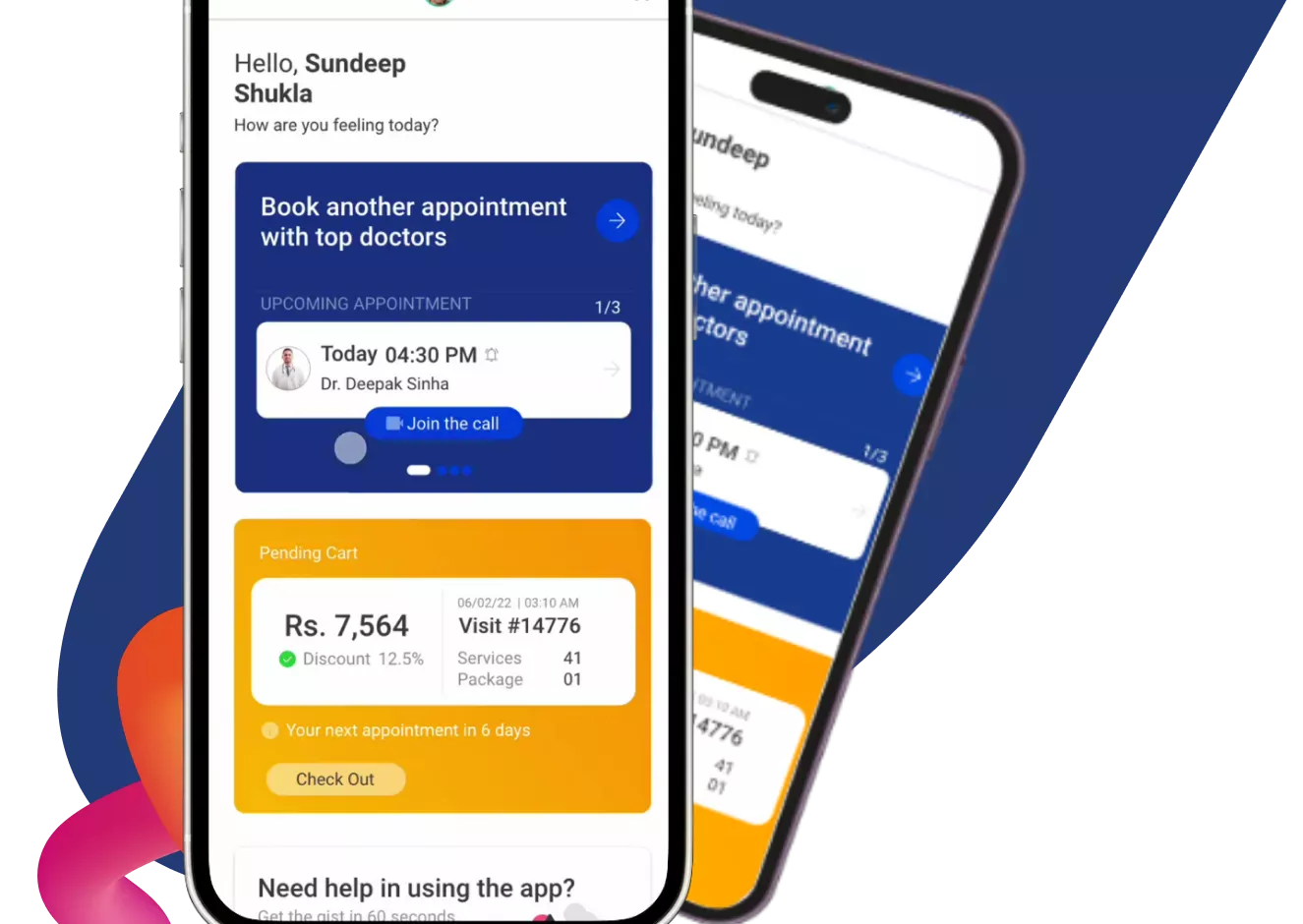
Appointments Scheduling, Prescription Management, Lab Reports, Access Telemedicine Services, Health