




Medically Reviewed By: Dr. G. Gnanavelu, MD, DM (Cardio), FACC, Advisor & Mentor, Chief Cardiologist
Last Updated: August 2026
Most people start feeling noticeably better 6 to 12 weeks after a heart attack, but full recovery — including the heart’s healing and a return to normal stamina — can take 3 to 12 months, depending on how much heart muscle was affected, the treatment received (such as angioplasty or bypass surgery), and how closely the person follows their cardiac rehabilitation plan. Recovery isn’t just physical: it also involves emotional adjustment, dietary changes, and long-term medication to lower the risk of a second event.
Introduction
A heart attack changes things overnight. One day you’re going about your routine; the next, you’re in a hospital bed trying to understand words like “ejection fraction” and “stent,” and wondering whether you’ll ever feel like yourself again.
Here’s some reassurance to start with: most people do get their life back. Recovery is rarely a straight line, but with the right combination of medical care, rehabilitation, diet, and patience, the vast majority of heart attack survivors go on to live full, active years.
This guide walks through what actually happens during recovery, week by week, what a realistic timeline looks like, how mild and severe heart attacks differ in outcome, what to eat, which warning signs should never be ignored, and how life tends to look one year on. It’s written to answer the questions people search for most — and to give you something more useful than a generic checklist.
What is Heart Attack Recovery?
Heart attack recovery is the process of physical, medical, and emotional healing that follows a myocardial infarction (the medical term for a heart attack). It typically unfolds in three overlapping stages:
- Acute hospital recovery — the first few days, focused on stabilizing the heart and treating the blockage.
- Early recovery at home — roughly weeks 1 through 12, focused on rest, medication, and gradually rebuilding activity.
- Long-term recovery and secondary prevention — from month three onward, focused on cardiac rehabilitation, lifestyle change, and preventing another cardiac event.
No two recoveries look identical, because they depend on factors like the size and location of the blockage, how quickly treatment was given, pre-existing conditions such as diabetes or high blood pressure, and a person’s age and overall fitness before the event.
Heart Attack Recovery Timeline: What to Expect Week by Week
The First Few Days (In-Hospital)
Immediately after treatment — usually angioplasty with stenting, clot-busting medication, or bypass surgery — you’ll typically stay in hospital for 2 to 5 days for monitoring. Doctors watch your heart rhythm, adjust medications, and start you on very light movement, like sitting up or walking a short hallway distance, as soon as it’s safe.
Weeks 1–2: Rest and Gentle Movement
This stage is about conserving energy. Short walks around the house, light household tasks, and plenty of rest are the priority. Fatigue is completely normal here — the heart muscle is still healing, and some medications can also make you feel more tired than usual.
Weeks 3–6: Building Stamina
Most people can gradually resume light daily activities: short walks outdoors, easy stretching, and eventually driving (once cleared by a doctor, typically around week 2–4 for uncomplicated cases). This is usually when a supervised cardiac rehabilitation program begins.
Weeks 6–12: Cardiac Rehabilitation in Full Swing
By this point, many people feel considerably stronger. Structured cardiac rehab — supervised exercise, dietary counselling, and education on managing risk factors — plays one of the biggest roles in long-term outcomes. Studies consistently show that people who complete a cardiac rehab program have lower rates of repeat hospitalization and death compared with those who skip it.
3–12 Months: Long-Term Healing
Scar tissue from the heart attack continues to mature during this window. Many people return to work, hobbies, and near-normal exercise capacity by month six, though this varies with the severity of the original event.
What Can You Expect During Recovery, Physically and Emotionally?
Recovery is rarely just physical. Here’s what tends to show up in each area.
Physical Recovery
- Fatigue and reduced stamina in the early weeks
- Mild chest soreness (especially after bypass surgery, from the incision)
- Gradual improvement in breathlessness and energy as activity increases
Emotional and Mental Health
It’s extremely common — and under-discussed — to feel anxious, low, or even fearful of physical exertion after a heart attack. Research on cardiac patients consistently finds that a meaningful proportion experience symptoms of depression or anxiety in the months following the event. This isn’t a sign of weakness; it’s a recognized part of recovery, and it’s worth mentioning to your doctor if it doesn’t ease with time. Many cardiac rehab programs include counselling or peer support groups specifically for this reason.
Lifestyle Adjustments
Diet, exercise, smoking cessation, and stress management aren’t “nice to haves” after a heart attack — they’re one of the most powerful tools for preventing a second one, often rivaling medication in impact when combined consistently.
Cardiac Rehabilitation and Exercise: How to Rebuild Safely
Exercise after a heart attack should always be reintroduced gradually and, ideally, under medical supervision — jumping back into intense activity too soon is one of the more common (and avoidable) recovery setbacks.
Phase 1: Low-Impact Movement (Weeks 1–3)
Walking at a comfortable pace, light stretching, and short daily activity are the focus. The goal is simply to move without overexertion.
Phase 2: Supervised Cardiac Rehab (Weeks 3–12)
This is a structured, monitored program — often with ECG monitoring during sessions — that gradually increases exercise intensity while tracking heart rate, blood pressure, and symptoms.
Phase 3: Independent Maintenance (3+ Months Onward)
Once cleared, most people transition to regular aerobic activity (brisk walking, swimming, or cycling) combined with light resistance training, aiming for roughly 150 minutes of moderate activity a week — the general benchmark most cardiology guidelines recommend for long-term heart health.
Practical example: A 58-year-old who previously walked only occasionally might start with 5-minute walks twice a day in week one, build to a continuous 20-minute walk by week six through cardiac rehab, and be walking 30–40 minutes most days by month four — a realistic, common trajectory rather than an exceptional one.
Diet for Heart Attack Recovery
What you eat directly affects cholesterol, blood pressure, and inflammation — all key factors in preventing another cardiac event.
| Food Group | Best Choices | Why It Matters for Recovery |
| Fruits & Vegetables | Leafy greens, berries, carrots, citrus | High in fiber and antioxidants; supports healthy blood vessels |
| Whole Grains | Oats, brown rice, quinoa, whole wheat | Helps lower LDL (“bad”) cholesterol |
| Lean Proteins | Fish (especially salmon or mackerel), skinless poultry, legumes, tofu | Supports tissue repair without excess saturated fat |
| Healthy Fats | Olive oil, nuts, seeds, avocado | Reduces inflammation; supports healthy cholesterol levels |
| Dairy | Low-fat milk, yogurt, cheese | Provides calcium and protein with less saturated fat |
| Limit | Added salt, sugar, processed and fried foods | Excess sodium raises blood pressure; added sugar worsens metabolic risk |
| Hydration | Water, herbal tea | Supports circulation; limit caffeine per your doctor’s advice |
A simple rule many cardiologists suggest: fill half your plate with vegetables, a quarter with lean protein, and a quarter with whole grains — and cook with olive oil instead of butter or ghee where possible.
Medications After a Heart Attack: What They Do
Most people leave the hospital with a combination of medications, and understanding why each one matters can make it much easier to stay consistent with them.
- Antiplatelet drugs (e.g., aspirin, clopidogrel): Prevent blood clots from forming, especially important if a stent was placed.
- Beta-blockers: Slow the heart rate and reduce its workload.
- Statins: Lower LDL cholesterol and help stabilize existing plaque in the arteries.
- ACE inhibitors or ARBs: Help control blood pressure and reduce strain on the heart.
Never stop or adjust these medications without medical guidance — even if you feel completely fine. Stopping antiplatelet medication early, in particular, is one of the more well-documented risk factors for stent complications.
Mild vs. Severe Heart Attack: How Recovery Differs
Not all heart attacks are the same, and outcomes vary considerably based on severity. Here’s how the two commonly compare:
| Factor | Mild Heart Attack (NSTEMI, limited damage) | Severe Heart Attack (STEMI, extensive damage) |
| Typical hospital stay | 2–3 days | 4–7+ days, sometimes longer with complications |
| Heart muscle damage | Minimal to moderate | Significant; may reduce pumping capacity (ejection fraction) |
| Recovery timeline | Often 6 weeks to 3 months for near-full recovery | 3–12 months, with some effects potentially long-term |
| Rehabilitation needs | Standard cardiac rehab usually sufficient | Often intensive rehab plus closer follow-up and imaging |
| Long-term outlook | Frequently full functional recovery | May involve ongoing heart failure management, but many still live active, fulfilling lives |
Even in more severe cases, medication, rehabilitation, and lifestyle change can meaningfully improve heart function and quality of life over time — “severe” does not mean the outlook is fixed.
Warning Signs That Need Immediate Medical Attention
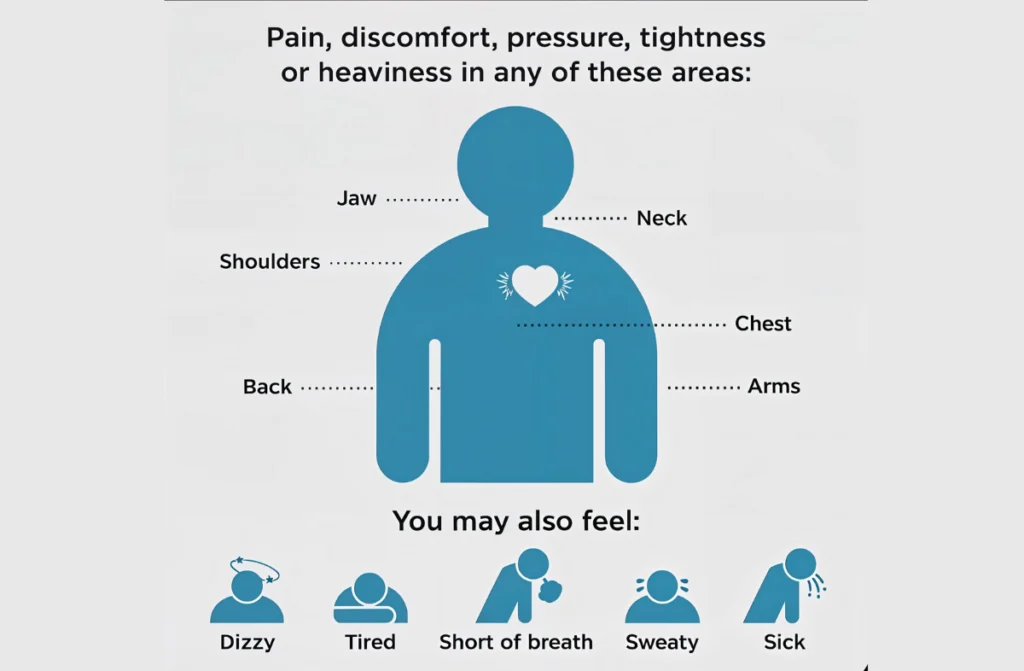
During recovery, contact your doctor or emergency services immediately if you notice:
- Chest pain, pressure, or tightness that returns
- Sudden shortness of breath, even at rest
- Swelling in the legs, ankles, or abdomen (a possible sign of fluid retention)
- Irregular or racing heartbeat
- Extreme fatigue or dizziness that’s new or worsening
- Fever, redness, or drainage at a surgical incision site (if applicable)
If in doubt, it is always safer to call emergency services or go to the nearest emergency department rather than waiting to see if symptoms pass.
Life Expectancy After a Heart Attack by Age
Age is one factor among several — not a fixed predictor — but broad patterns include:
- Under 55: Generally the best long-term outlook, particularly with prompt treatment and consistent lifestyle change.
- 55–70: Good outcomes are common, though recovery may take somewhat longer and closer monitoring for other conditions (like diabetes or hypertension) is typical.
- Over 70: Recovery often takes longer, and other health conditions play a larger role in overall outlook, but many older adults continue to live well for years with appropriate care.
What matters most across every age group is adherence to medication, participation in cardiac rehabilitation, and sustained lifestyle changes — these consistently outweigh age alone in shaping long-term outcomes.
Life After a Heart Attack: Returning to Normal
Going Back to Work
Many people return to desk-based work within 2–4 weeks and physically demanding jobs within 6–12 weeks, though this should always be confirmed with your cardiologist first.
Driving and Travel
Guidelines vary by country and by the specifics of your event, but a common general benchmark is avoiding driving for at least one to two weeks after an uncomplicated heart attack — always confirm your local guidance with your treating doctor.
Intimacy and Relationships
Sexual activity can typically resume once you can comfortably climb two flights of stairs without chest pain or breathlessness — usually a few weeks after an uncomplicated recovery, per your doctor’s clearance.
Emotional Recovery
Many survivors describe a genuine shift in perspective — a renewed appreciation for time, relationships, and health. Leaning on family, support groups, or a counselor during this adjustment isn’t a setback; it’s part of a well-rounded recovery.
Preventing a Second Heart Attack
Roughly one in five heart attack survivors will experience another cardiac event within five years without consistent secondary prevention — which is exactly why rehab, medication adherence, and lifestyle change matter as much after recovery as during it. The core pillars are:
- Taking all prescribed medications consistently, even after symptoms fully resolve
- Completing a full cardiac rehabilitation program rather than stopping early
- Quitting smoking completely, if applicable
- Managing blood pressure, cholesterol, and blood sugar through diet, medication, and regular check-ups
- Managing stress through sleep, relaxation techniques, or counselling
- Attending every scheduled cardiology follow-up, even when feeling well
Conclusion
Heart attack recovery is a gradual process — physically, medically, and emotionally — and there’s no single timeline that fits everyone. What consistently makes the biggest difference isn’t willpower alone; it’s structured cardiac rehabilitation, consistent medication, a heart-healthy diet, and staying closely connected with your care team. Whether your recovery takes six weeks or a full year, steady, guided progress is what leads to the best long-term outcome. At Medway Hospitals, our cardiology and rehabilitation teams are available to support every stage of that journey, from the first days after discharge through long-term follow-up care.
Read Also : Preventing a Heart Attack


